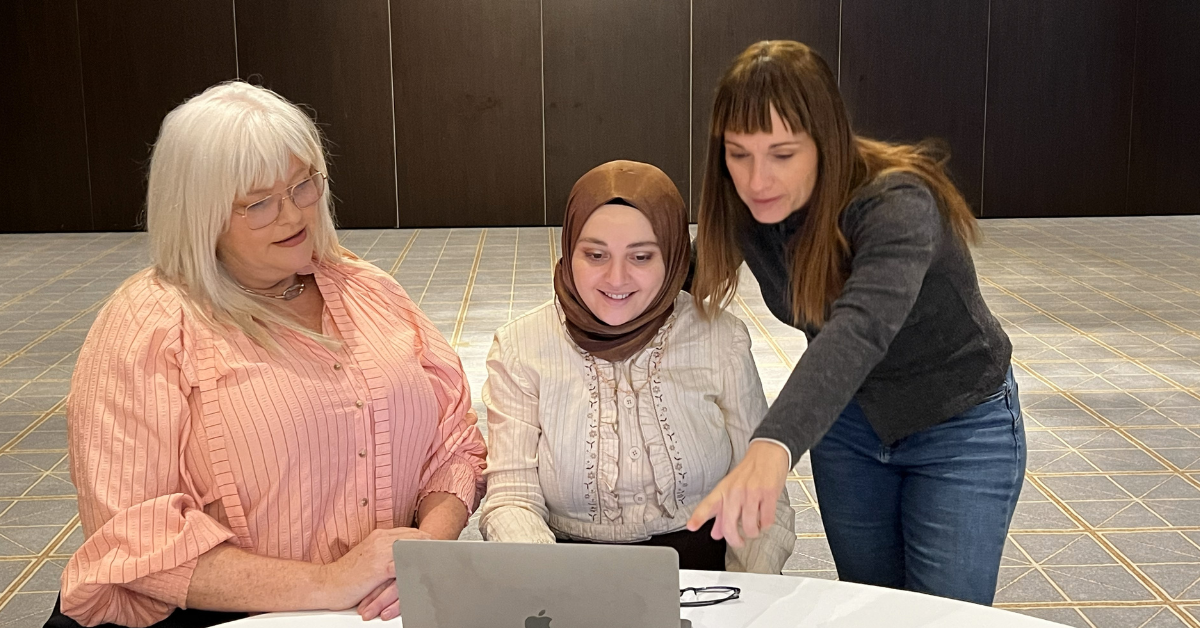
Last week I travelled across Europe for a series of meetings with partners, technologists, investigators, lawyers, and human rights advocates. Moving between conversations in different cities with different groups of experts, I kept returning to a familiar question: how do we make the growing volumes of human rights information more usable, shareable, and connected?
In Geneva, HURIDOCS was honoured to host a gathering linked to the Human Rights Data Cooperative, a group of human rights and technology experts who believe that human rights documentation should be findable, accessible, searchable, and usable. Together with a number of incredible OSINT investigators and organisations, we envision a sector-wide, networked ecosystem in which archives and other organisations that hold documentation retain ownership of their data while forging stronger, more durable connections with those pursuing accountability. Much of the discussion focused on how civil society can better structure and tag the information it collects so that it can be used across organisations and cases. If you are curious about this initiative, please contact Jacqueline Geis.
It struck me how, in many ways, these conversations echo the very origins of HURIDOCS.
Founded in the early 1980s, HURIDOCS emerged at a time when human rights organisations were producing large amounts of documentation but lacked common systems for organising and retrieving it. Early work focused on developing standards and methodologies (see the Events Standard Formats) that would allow human rights information to be structured in ways that made it usable for advocacy, investigation, and legal action.
Over the decades, that work evolved from paper archives and early databases to digital documentation tools used by organisations around the world. But the core challenge has remained remarkably consistent.
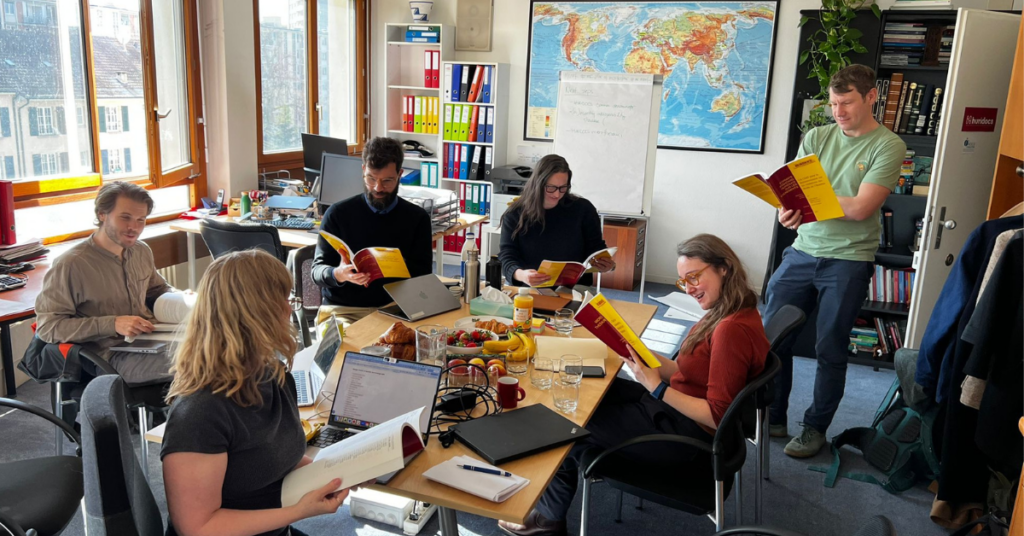
Today, human rights groups collect vast amounts of digital information: videos, testimonies, satellite imagery, social media evidence, and investigative datasets. The challenge is no longer just collecting information. It is connecting it, analysing it, and ensuring it can be used effectively across organisations and over time.
Tools like HURIDOC’S Microthesauri and our flagship open-source software Uwazi have been helping organisations manage and analyse complex human rights data, but the broader ecosystem also matters: shared data structures, interoperability between systems, and new technologies, including machine learning, that can help organisations work with information at scale.
During the trip, I also attended an event at Chatham House in London hosted by the Oxford Institute of Technology and Justice (OITJ), together with Videre and Artemis. Throughout the discussions, I was struck by how many people returned to the same observation: it is remarkable that we now have so much data and so much evidence of human rights violations and crimes, yet our existing systems for justice and accountability are still making very limited use of it. Our existing accountability systems and courts of all levels will not, or can not, provide timely and accessible access to justice and/or redress: both desperately needed by all those whose human rights have been and continue to be violated.
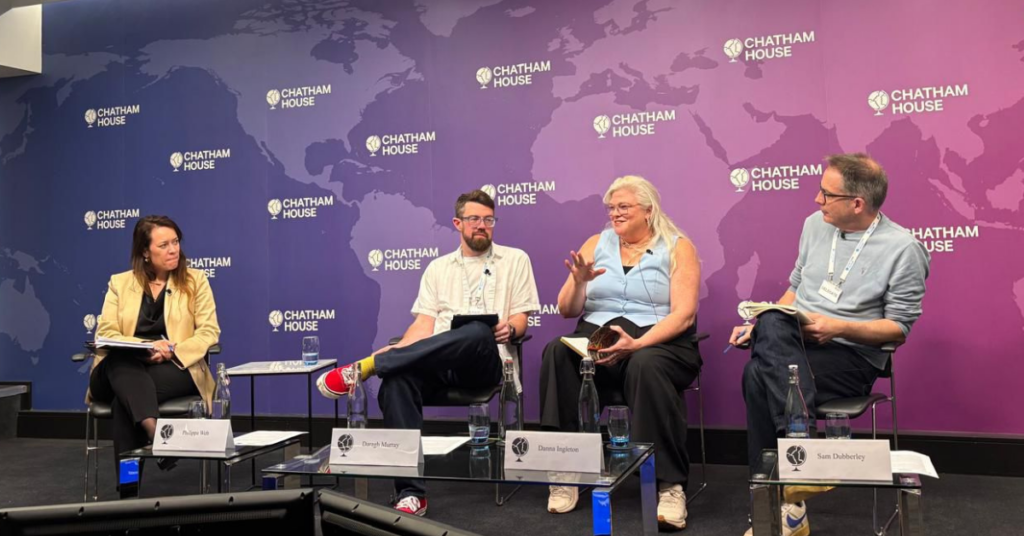
I participated in a panel titled AI: Ally and Adversary, where we explored how AI might help address the growing problem of information overload by helping verified evidence reach the right places at the right time to support accountability, while also acknowledging the need for caution and safeguards. It was a rich discussion but the question of one audience member stood out to me as it is a question we think about a lot at HURIDOCS. Many NGOs rightly highlight the risks and harms associated with AI, but an unintended consequence is that some parts of civil society become reluctant to use these tools at all, which risks deepening the existing digital divide. How do we hold big tech to account while also putting contemporary tools in as many hands as possible to fight contemporary battles?
The discussions in Geneva and London were a reminder that this work has always been collective. Progress in human rights documentation rarely comes from a single tool or organisation. It emerges from communities of practice that develop shared standards, approaches, and systems together.
In many ways, the field is now grappling with the same question that shaped the early work of HURIDOCS: how do we ensure that human rights information can move, connect, and ultimately support accountability?
The technologies have changed, but our purpose remains the same.